
A basement warranty can protect you from poor workmanship, but only if you know what the contract actually says. Coverage often has a time limit, clear exclusions, and a process you must follow before hiring someone else. This basement finishing warranty information for Utah homeowners explains what to check before work starts and what to do if a problem appears.
What a Basement Finishing Warranty Usually Covers
Basement finishing warranty information in Utah often starts with one basic promise: the contractor will correct covered workmanship defects found within the stated warranty period. Many contracts use one year as the baseline for workmanship. The written agreement controls, so don’t rely on a verbal promise or a line in an estimate.
Workmanship means the quality of the installation. If a door won’t close because the frame was set out of square, that may fall under workmanship. If trim pulls away because it wasn’t fastened well, the same may apply. A ceiling crack caused by a poor drywall finish could also qualify, depending on the contract and the cause.
A warranty may cover labor needed to repair the defect. It usually doesn’t promise that every part of the basement will last forever. Materials may have their own manufacturer warranty. A light fixture, appliance, flooring product, or plumbing fixture can carry separate terms that differ from the contractor’s warranty.
Coverage depends on the cause
The cause of the problem matters more than the location. A wet spot behind a finished wall could come from a plumbing connection, outside water, a foundation crack, or a failed appliance. Those causes lead to different responsibilities. Ask the contractor to state how the warranty handles each one before you sign.
For example, a contractor may cover a leaking pipe connection installed during the remodel. The same contractor may exclude water that enters through an old foundation wall. The contract should explain where the line falls.
We recommend asking for these details in writing:
- How long the workmanship warranty lasts.
- Which labor defects are covered.
- Whether materials have separate manufacturer coverage.
- Who pays for removal and replacement of finished surfaces.
- How you must report a claim.
- What remedy the contractor gets before another company steps in.
Longer terms may be available, such as five years, ten years, or a lifetime warranty. A longer term can cost more or come with tighter conditions. Check what the added time covers. A ten-year warranty limited to certain structural work may provide less help than a shorter warranty that clearly covers finish defects.
We also want homeowners to separate warranty coverage from project quality. A warranty helps after a defect appears. Good planning reduces the chance of that defect in the first place. LIFT Construction reviews the scope, finish choices, and project details with homeowners so the work is designed for the space from start to finish.

Utah Contracts, Permits, and Warranty Responsibilities
Utah basement finishing warranty information should be read with the contract and permit plan together. A warranty can’t replace required permits, inspections, or licensed work. It also can’t change who agreed to handle a trade, fixture, or site condition.
Before construction starts, the contract should identify the project scope. That means more than “finish basement.” It should state the rooms involved, wall and ceiling finishes, flooring, lighting, plumbing, heating, ventilation, doors, and any egress work. Egress means a safe emergency exit, often through a properly sized window or door.
Permits deserve special attention. Ask which permits the contractor will secure and which inspections must pass before the work is closed behind drywall. If you want an egress window, bathroom, wet bar, or new electrical circuit, make sure that item appears in the scope. You can also review the planning sequence in this basement finishing timeline checklist, which covers permits, rough-ins, framing, drywall, finishes, and inspections.
Check the contractor’s license status before signing. Then confirm that the contract names the responsible business and explains who manages subcontracted work.
A clear payment schedule matters too. It should connect payments to work stages rather than vague dates. Ask how retainage works. Retainage is money held back until agreed work is complete or remaining punch-list items are resolved. The contract should state the amount, who holds it, and when it gets released.
Change orders protect both sides when the plan changes. A hidden pipe, damaged framing, or water issue may require work that no one could see during the first estimate. The change order should describe the added work, price effect, schedule effect, and approval method. Don’t approve added work through a quick text alone if the contract calls for a signed document.
Ask about cancellation terms before work begins. Also ask whether the contractor has a right to cure. This clause gives the contractor a chance to inspect and fix an alleged defect before you hire another contractor or demand a different remedy.
That right matters. If you hire someone else before giving the original contractor the required chance to inspect, the warranty may be reduced or voided. A fair claim process should still let you act quickly when there is an active leak or safety risk. Take steps to prevent damage, document the condition, and notify the contractor right away.
We use the contract as the working map for a basement project. LIFT Construction can help homeowners review the project scope, finish plan, and warranty questions before construction moves ahead.
Common Basement Warranty Exclusions and Homeowner Responsibilities
Most basement finishing warranty information in Utah includes exclusions. These limits define problems the contractor won’t repair under the workmanship warranty. Read them closely because a finished basement still depends on parts of the home that may be outside the remodel.
Common exclusions include:
- Water entering through an existing foundation or window well.
- Damage from floods, storms, earthquakes, or other natural events.
- Normal wear, dents, stains, and scratches.
- Damage caused by misuse, poor upkeep, or unauthorized changes.
- Materials covered by a separate manufacturer warranty.
- Problems caused by work performed by another contractor.
- Moisture issues that existed before finishing began.
Moisture deserves a careful review. Controlling moisture is key to limiting mold growth. A warranty may cover a failed installation, but it may exclude mold caused by ongoing damp conditions, poor drainage, or a homeowner’s failure to operate a required dehumidifier.
Ask who owns the risk for hidden water. If the crew finds damp framing behind an old wall, the right response may include stopping work, drying the area, checking the source, and preparing a written change order. Covering the issue with new drywall can turn a small problem into a claim dispute later.
Homeowners also have duties. Keep gutters clear if they affect basement drainage. Use required fans or dehumidifiers. Report defects promptly. Don’t paint over a stain or remove a wall before the contractor inspects it unless an urgent safety concern requires action.
Save product records for flooring, fixtures, appliances, and equipment. If a product fails, the maker may handle the replacement while the contractor handles installation. That split is common, but your contract should say who coordinates the repair.
Another important limit concerns changes after the job. Suppose a homeowner hires a different company to move a wall or replace a drain. If a later defect relates to that work, the original contractor may deny the claim. Get written approval before another trade alters covered work.
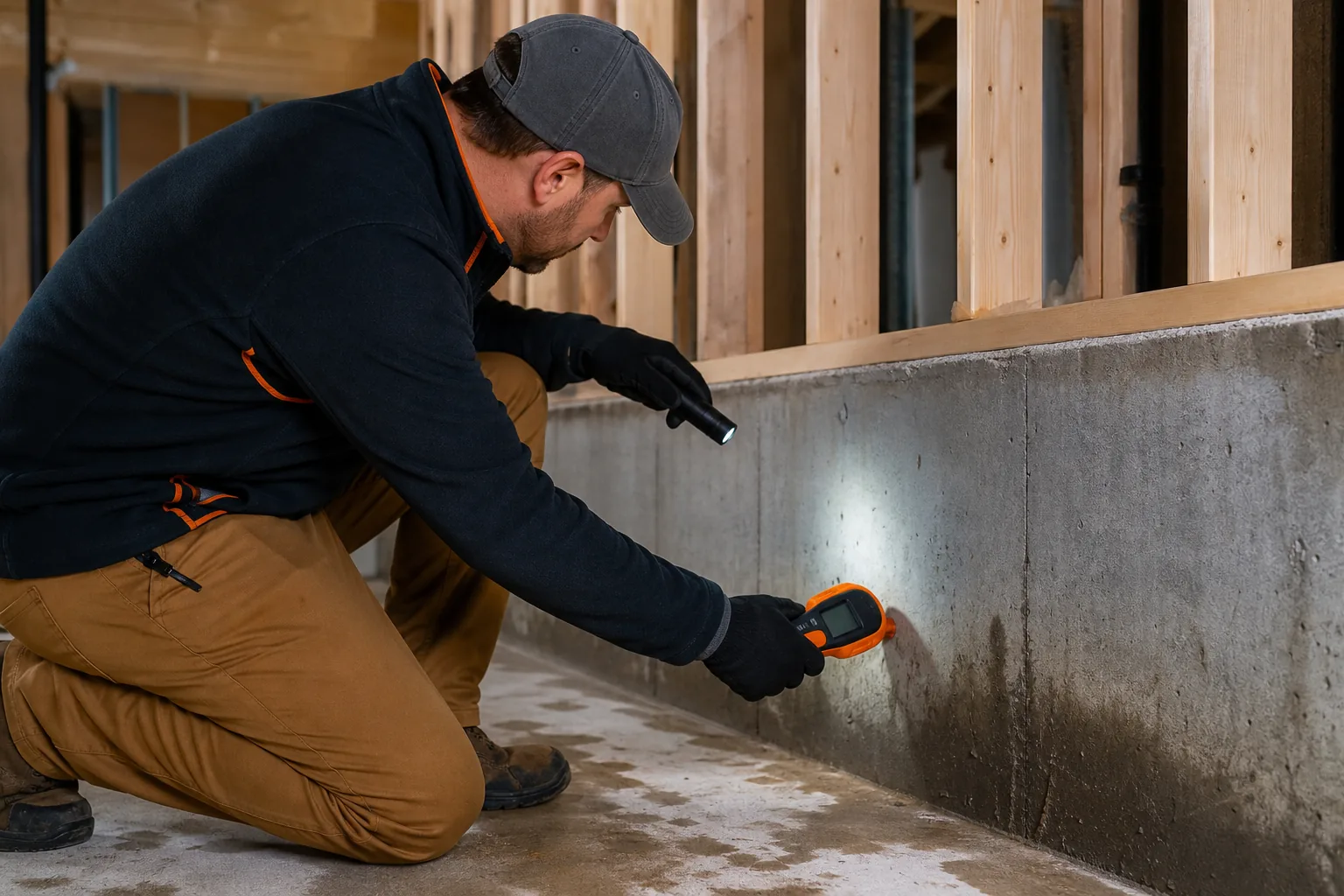
Keep this rule in mind: protect the space, report the issue, and give the contractor the inspection window required by the contract.
How to Read the Warranty and Make a Basement Claim
To use basement finishing warranty information well, read the warranty before the first payment. Don’t wait until a door sticks or a ceiling crack appears. Mark the parts that describe time limits, covered defects, exclusions, notice rules, and the right-to-cure process.
Build a project record
Keep one folder for the signed contract, plans, permits, approved change orders, invoices, and product documents. Add photos taken before work starts. Take more photos before walls and ceilings close. These records help show what was installed and where a problem began.
A final walk-through should produce a punch list. A punch list is a written set of unfinished or imperfect items that need attention before the job closes. Walk each room slowly. Test doors, outlets, lights, plumbing fixtures, fans, and heating vents. Look at transitions between flooring types and the finish around trim.
Don’t sign a final completion form that says all work is accepted if open items remain. Instead, list the open items and agree on a completion date. Ask how final payment or retainage connects to that list.
Report the defect in writing
When a problem appears, send notice through the method named in the warranty. Include the project address, completion date, room, date you found the issue, and a plain description of what happened. Add photos and short video if they show movement, dripping, noise, or an intermittent fault.
Stick to facts. “Water appears at the base of the wall after rain” is more useful than “the basement work failed.” Ask for an inspection date and confirm that the notice was received.
Don’t start a major repair before the contractor has the required chance to inspect. If water is actively entering, shut off a fixture, move belongings, or take other steps to limit damage. Keep receipts for emergency measures. Then notify the contractor as soon as conditions are safe.
Review the response against the warranty. A contractor may offer a repair, replacement, or another remedy. Ask who will remove and restore finishes if access is needed. If the issue involves a manufacturer product, ask whether the contractor will help coordinate the claim or only handle installation labor.
If the parties disagree, keep communication in writing. Read the contract’s dispute section before hiring another contractor. Some agreements require mediation, arbitration, or a formal notice period. Legal questions call for advice from a Utah attorney, especially when deadlines or major water damage are involved.
We recommend comparing warranty language while comparing bids. The lowest bid may leave out permit work, finish allowances, moisture repairs, or post-project service. Homeowners who want a broader planning view can review these basement finishing contractor questions for Utah projects before they choose a builder.
For budget planning, keep warranty terms beside the project estimate. A low price can look different once you account for excluded site work or separate product coverage. This guide to the cost to finish a basement in Utah can help you ask where allowances and unexpected conditions fit.
FAQ
How long is a basement finishing warranty in Utah?
A basement finishing warranty in Utah often uses one year for workmanship, but the signed contract controls. Some contractors provide longer coverage for certain work. Ask whether the term covers labor, materials, structural work, or only listed defects. Also check when the warranty begins and how quickly you must report a problem.
What does a basement finishing warranty usually cover?
A basement finishing warranty usually covers defects caused by poor installation or workmanship during the stated term. It may cover labor to correct a bad finish or failed connection. It often excludes existing moisture, natural events, normal wear, owner changes, and product failures covered by a manufacturer.
Can a contractor deny my basement warranty claim?
A contractor may deny a basement warranty claim when the issue fits an exclusion or the homeowner skips the required claim process. Hiring another contractor before the original contractor can inspect may also affect coverage. Ask for the denial in writing and compare the reason with the exact warranty language.
Who pays for hidden water damage found during basement finishing?
The contract and cause of the hidden water damage decide who pays. Existing foundation leaks may fall outside workmanship coverage, while a new plumbing connection may fall within it. Stop work in the affected area, document the condition, and use a written change order before repair work moves ahead.
What should I ask about a basement warranty before signing?
Ask about the term, covered work, exclusions, claim notice, right to cure, change orders, retainage, and cancellation terms. Confirm who handles permits and product warranties. Ask what happens if another contractor works on the basement later. Clear answers now can prevent a dispute after the finish work is complete.
Conclusion
Choose a contractor whose warranty states the coverage, limits, claim steps, and repair rights in plain language. Before signing, ask LIFT Construction to walk through the scope, permit plan, moisture risks, payment schedule, and warranty clause with you. That short review can help you finish your Northern Utah basement with clear expectations from start to finish.