
Radon can collect in a Utah basement without any smell, color, or warning. A cheap test may give you a quick answer, but the right test depends on whether you’re screening a home, preparing for a sale, or planning a remodel. Follow these five steps before you seal walls, install flooring, or finish the space.
Step 1: Choose the Right Radon Test for Your Utah Basement
The first step in a basement radon testing guide for Utah is to match the test to your goal. Short-term tests usually run for 48 to 72 hours. Long-term tests run more than 90 days and give a better picture of the home’s yearly average.
For a quick screen, a short-term charcoal canister can work well. These kits often cost less than electronic monitors, but they need lab analysis. Follow the return deadline closely. A delayed sample may not produce a useful result.
If you’re planning a basement finish, a long-term alpha-track test gives you more useful planning data. Radon levels can change with weather, air pressure, and how the home is used. A longer test captures more of those changes.
Continuous electronic monitors can show readings over time. They may help you watch trends in several rooms. A higher price does not automatically mean the result will meet a real-estate or regulatory need.
| Your goal | Test type | Typical time | Key caution |
|---|---|---|---|
| Quick first screen | Short-term charcoal kit | 48 hours to 90 days | Send it to the lab on time |
| Yearly exposure estimate | Long-term alpha-track kit | More than 90 days | Results take longer |
| Trend tracking | Continuous electronic monitor | Ongoing | Check certification and power needs |
| Sale or formal documentation | Qualified professional service | Short or long term | Confirm credentials before booking |
Building design affects indoor radon levels, so two nearby homes can produce different readings. For more context about geology and building conditions, review additional background.
For a sale, choose a test accepted by the buyer, lender, or local transaction process. For a remodel, we recommend starting with a short-term screen. If the result is high or unclear, follow up before the new finish hides the foundation walls.
Step 2: Prepare the Basement Testing Area
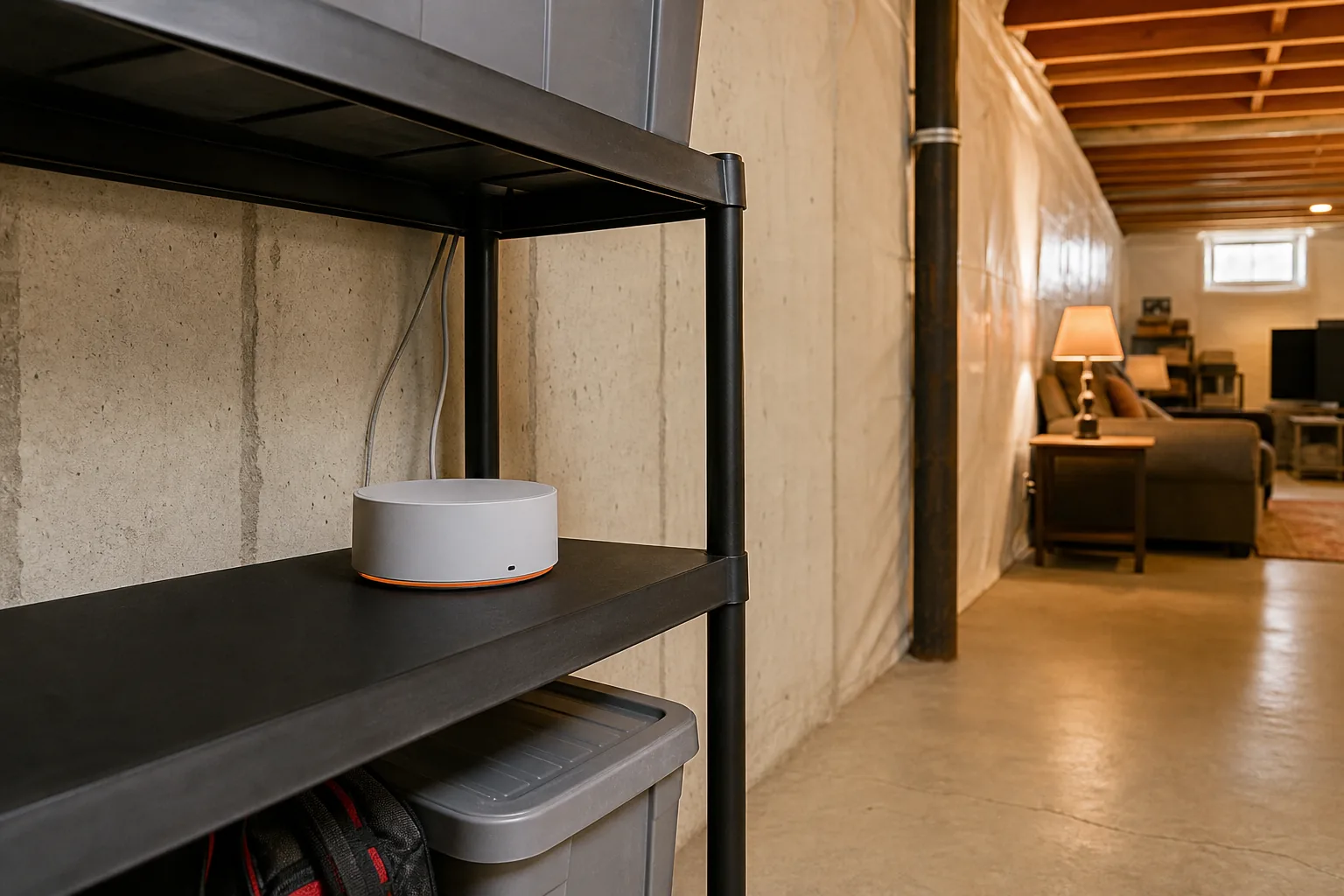
Good preparation makes this basement radon testing guide for Utah homes much more useful. Pick the lowest level where people spend time. If your basement has a family room or bedroom, test there. If it is only used for storage, use the lowest lived-in floor instead.
Before starting a short-term test, keep the home closed for about 12 hours. That means windows stay shut, exterior doors remain closed except for normal entry, and fans that bring in outdoor air stay off unless they are needed for safety.
Don’t place the kit beside a window, exterior door, sump pit, floor drain, or heating vent. Avoid direct sunlight and areas where children or pets can move it. Set it on a shelf or table about two to six feet above the floor, if the kit instructions allow that placement.
Choose a spot with normal room airflow. Don’t place the device inside a cabinet or behind stored boxes. The goal is to measure the air people breathe, not a trapped pocket of air.
Make a simple test log
Write down the start date and time before you activate the kit. Add the room name, weather conditions, and any unusual event. A long storm, open windows, a power outage, or major heating change can help explain an odd result.
- Record the test location.
- Note when the test began.
- Keep the kit away from drafts and high heat.
- Limit room changes during the test.
- Keep the instructions beside the kit.
For longer tests, live in the home as usual. Don’t close off the basement just to produce a lower reading. If you’re preparing for a finish, test before framing changes airflow around the foundation.
Careful placement and closed-house conditions can help support a useful short-term test. For setup details, review these testing details.
We also look at the room’s future use. A basement that will become a bedroom needs a different plan than a room used for seasonal storage. The test should happen before insulation, drywall, or flooring limits access to the slab and foundation.
Step 3: Run the Test and Record Accurate Readings
During this step of the basement radon testing guide for Utah, leave the device in place for the full time stated in its instructions. A short-term test often needs at least 48 hours. Some kits have a shorter return window after the test ends.
Don’t move the kit to another room halfway through. If you need a second location, run a separate test later. Moving the device makes the final reading hard to interpret because the sample no longer represents one space.
Keep normal living habits, but avoid unusual ventilation. You don’t need to stop using the basement. Just record anything that changes the test conditions. For example, note if a window stays open during a repair or if a furnace problem changes the airflow.
Radon is measured in picocuries per liter, written as pCi/L. Testing is the only way to know whether a home has a radon concern. A short-term test commonly runs for 48 to 72 hours.
Long-term tests run for 90 days or more under normal living conditions. Those results can better represent a home’s average exposure because they capture more day-to-day changes.
Use a test-day checklist
- Confirm the device is in the lowest lived-in level.
- Check that it has not been moved.
- Write down the end time.
- Note any unusual weather or ventilation.
- Seal or return the sample as the instructions direct.
If the kit uses charcoal, don’t open it after the test ends. Moisture can affect the sample. Electronic devices may require a download, app review, or return step, so read those directions before you begin.
A clean record helps you decide what to do next. It also gives a contractor useful facts when the basement moves into the design stage.
Step 4: Send the Kit or Review Results Correctly
When the test ends, check the result in pCi/L and compare it with the test’s instructions. Don’t judge the result by price, brand appearance, or a single number without checking the test type.
For a mail-in kit, package the sample right away. Many short-term kits must reach the lab within a set period. The First Alert RD1 kit should not remain in place more than seven days and must reach the lab within 10 days. Other kits may use different limits.
Keep the lab report with your home records. Save the test location, start and stop times, kit type, and result. If you plan to sell the home, a complete record is easier to explain than a loose number written on a note.
How to read the number
A result below 4.0 pCi/L is below the EPA action level, but it does not mean the air has no radon. Levels can shift. A low short-term result may deserve a long-term follow-up when the room will become a bedroom or living area.
At 4.0 pCi/L or higher, plan action and confirm the result with the testing approach recommended for your situation. A short-term test may be followed by another short-term test or a long-term test when the first result is high.
If the result is close to the action level, don’t make a remodel decision from one quick sample. Repeat the test or use a long-term detector. A professional service may make more sense when you need documentation for a sale or want help with placement.
Continuous monitors can help you spot changes after weather shifts or ventilation work. Still, treat their data as monitoring information unless the device and process meet the standard your transaction requires. Real-time readings are useful, but they don’t erase certification rules.
We recommend sharing the report before a basement design is complete. LIFT Construction can then plan access, floor details, ventilation, and wall assemblies around the conditions found in the space. That early handoff helps avoid removing new finishes later.
Step 5: Decide on Retesting, Mitigation, or Basement Remodeling
The final step in this basement radon testing guide for Utah is to connect the result to your next project decision. A high result should come before the finish plan, not after the drywall is up.
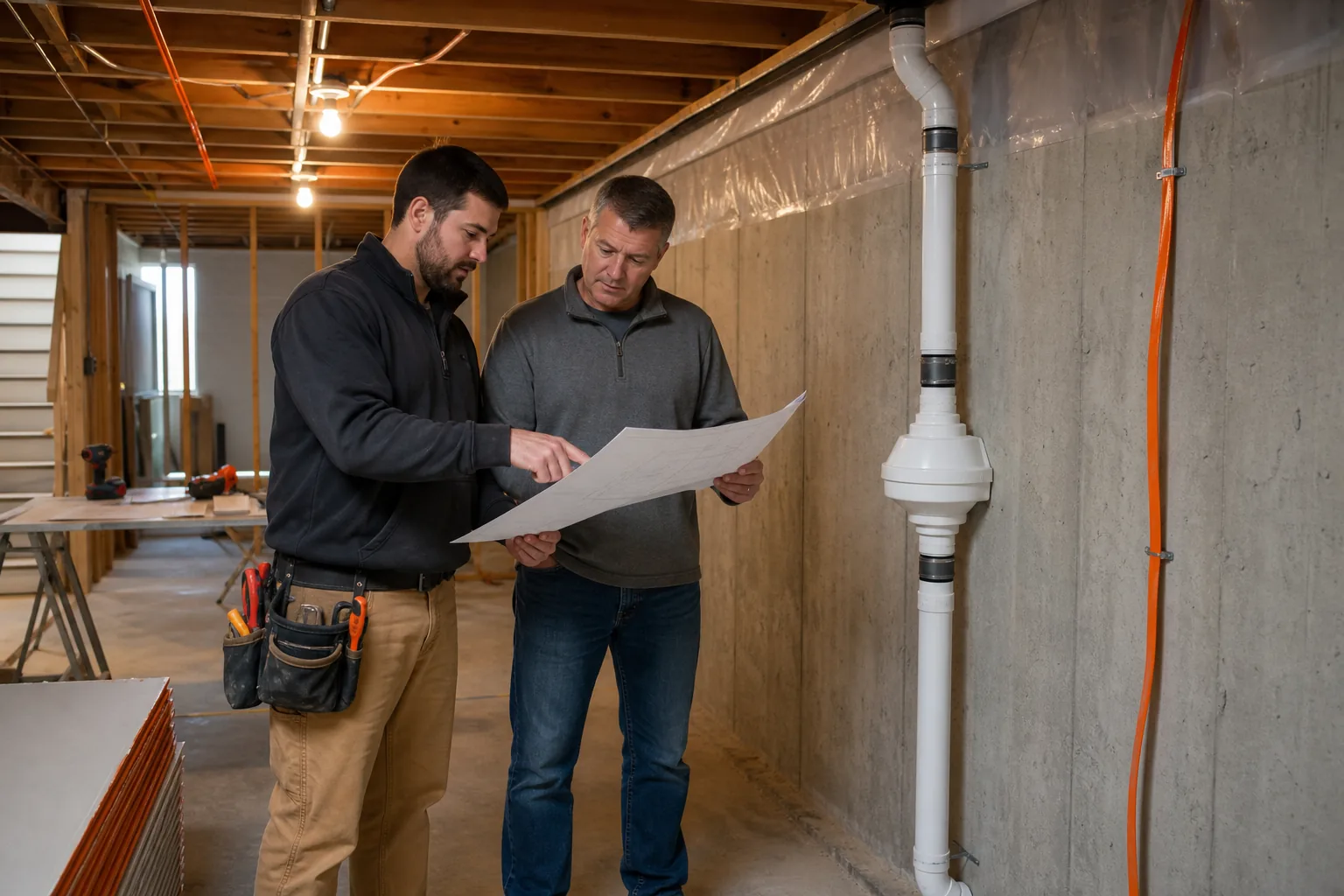
If the result is high, start with a qualified radon professional or mitigation contractor. Utah guidance describes active fans and sealed piping as common parts of a mitigation system. Ask for current Utah credentials and confirm that the person follows accepted radon testing or mitigation standards.
Don’t cover cracks, sump areas, or rough openings until the mitigation plan is clear. A finished basement can make future service work harder. It can also hide points where soil gas enters the home.
After mitigation, test again. The follow-up result tells you whether the system lowered the reading. Keep that report with the system details and any remodeling records.
Plan the finish around the result
Once the air test is addressed, review the rest of the room. Moisture, drainage, insulation, floor height, and ventilation all affect a basement finish. For additional guidance on creating a healthier finished space, review how to improve air quality in a finished Utah basement. A sealed wall may look neat, but it must still leave required access and support the home’s air plan.
Before choosing finishes, review basement radon mitigation options in Utah so your remodel plan accounts for active systems, pipe routes, and future maintenance.
Ventilation deserves its own check. A fan system can move air, but it doesn’t replace a radon mitigation system. It may also change pressure in the basement. We plan these systems together so the finished room works as intended.
LIFT Construction helps homeowners plan basement remodeling work after the test and mitigation decisions are settled. We can coordinate the finish scope around walls, ceilings, flooring, fixtures, and access points. The goal is a code-aware room designed for daily use, from start to finish.
For a Northern Utah homeowner, the decision rule is simple: test first, confirm a high result, mitigate when needed, then finish the basement. That order protects both the work and the people who will use the room.
FAQ
How long should a radon test stay in a basement?
A short-term radon test usually stays in place for 48 to 72 hours, while a long-term test runs more than 90 days. Use the kit’s exact instructions because the return deadline may differ. For a basement remodel, long-term testing gives a better yearly picture when your schedule allows it.
What radon level is unsafe in Utah?
A result of 4.0 pCi/L or higher is a level at which you should plan steps to lower the reading. A result below that level still does not mean zero risk, so repeat testing can make sense before finishing a basement.
Where should I place a radon test in my basement?
Place the test in the lowest lived-in level, in a room with normal airflow. Keep it away from windows, doors, vents, direct sunlight, and floor drains. If your basement is only storage, test the lowest floor where people spend regular time instead.
Should homeowners test for radon before finishing a basement?
Yes, test before finishing a basement. Early results give you time to plan mitigation, pipe routes, access panels, and ventilation before walls and floors cover the work area. LIFT Construction can use the results when shaping a remodel plan for your home.
Is a long-term radon test better than a short-term test?
A long-term test is better for estimating a home’s yearly average, while a short-term test is better for a fast screen. Utah homeowners often start with a short-term kit, then use long-term testing or a qualified service when the first result is high or the basement will become a living space.
Conclusion
Test your basement before remodeling, and choose the test based on the decision you need to make. If the result is high, confirm it and address mitigation before finishes go in. Then work with LIFT Construction on a basement plan that protects access, airflow, and daily comfort from start to finish.