
A flooded home needs more than a mop and basic cleanup tools. The first wrong move can expose your family to live wires, dirty water, hidden mold, or weak floors. Here’s what to do after a flood in your house, in the order that protects people, preserves evidence, dries the building, and gets your basement ready for repair.
We reviewed FEMA’s National Flood Insurance Program flyer, the EPA’s mold prevention guidance, and Insurance Information Institute flood claim data. FEMA estimates that 1 inch of floodwater can cause roughly $25,000 of damage inside a home. The EPA states that materials dried within 24 to 48 hours after a flood generally will not grow mold. The Insurance Information Institute found that 20% of flood claims come from low-to-moderate risk areas, meaning fast action matters even outside flood zones.
Step 1: Keep Everyone Safe and Stop the Source
The first step after a flood is to keep people out of danger and stop more water from entering. Don’t start cleanup until you know the space is safe to enter.
Stay outside if water is near outlets, appliances, electrical panels, furnaces, or damaged wiring. Never step into standing water to reach a breaker. If you can shut off power from a dry location, do so. Otherwise, wait for an electrician or emergency crew.
Leave at once if you smell gas, hear hissing, see a damaged gas line, or notice cracks in foundation walls. Don’t use candles, matches, or open flames while gas may be present. Keep children and pets away from the home until the area has been checked.
Next, find the source only if you can do so without entering unsafe water. Turn off the main water valve for a burst pipe. If the water came from a failed appliance, close its supply valve. For storm runoff or groundwater, move to higher ground and wait for the water to drop.
Floodwater can carry sewage, chemicals, sharp debris, and germs. General flood safety guidance warns people to avoid moving water and to follow local instructions during flood events. Treat unknown water as unsafe until a professional confirms otherwise.
Wear rubber boots and gloves only when the area has been cleared for entry. Cover cuts with waterproof bandages. Wash your hands with soap after handling wet materials, even if you wore gloves.
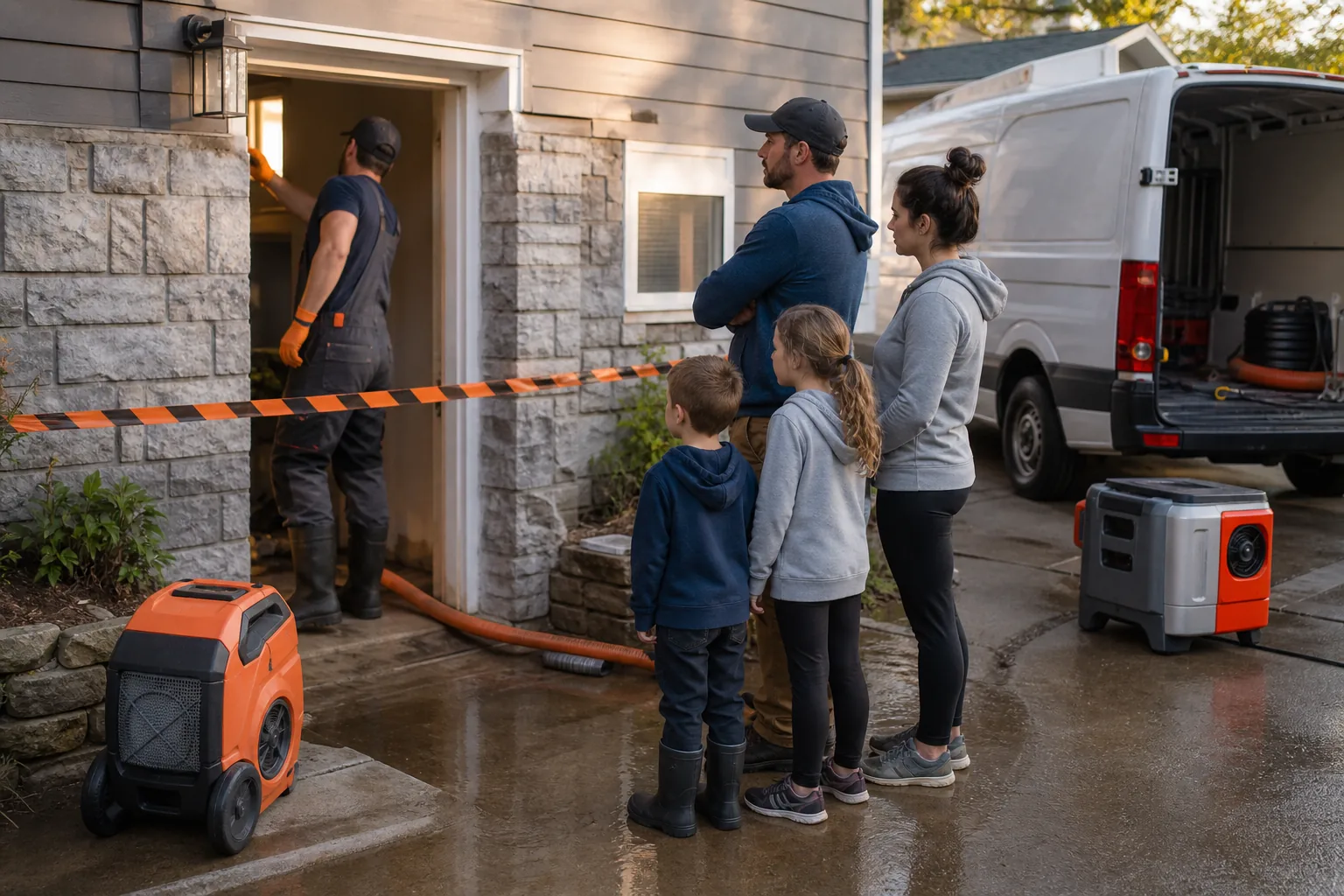
Write down when you found the damage and what caused it, if you know. That small note can help your insurer and contractor understand the timeline later.
Step 2: Document the Damage and Contact Your Insurer
Before you move wet belongings or pull out damaged materials, document the condition of the house. Good records help show what happened and what the cleanup requires.
Take wide photos of each affected room first. Then take close photos of damaged walls, flooring, trim, cabinets, insulation, appliances, and personal items. Include a ruler or common object beside cracks, stains, or water lines when you can do so safely.
Record video as you walk through the space. Speak the room name and describe what you see. Film the water level, damaged utilities, and items that cannot be moved. Keep the original files. Don’t edit them before sending copies to your insurer.
Make a rough inventory while the details are fresh. Include the item, where it was, its condition, and whether you kept or discarded it. Search for receipts, order records, warranties, or old photos that show the item before the loss.
- Save photos in at least two places.
- Keep receipts for emergency supplies and temporary repairs.
- Write down every person or company who visits the property.
- Ask for a written scope before approving major work.
Contact your insurance company as soon as possible. Ask what your policy requires before cleanup, what your deductible is, and whether the loss falls under water damage, sewer backup, or flood coverage. Those terms can lead to different coverage rules.
Don’t wait for an adjuster if waiting will cause more damage. Ask the insurer how to protect the home while keeping the evidence intact. Take photos before each emergency action, then save invoices and material receipts.
We recommend keeping one folder for the claim. Put photos, videos, notes, estimates, receipts, policy messages, and inspection reports in date order. It gives you one clear record when several parties become involved.
A restoration firm may handle water removal while a general contractor handles the later rebuild. SERVPRO focuses on rapid extraction, drying, and restoration for floods, leaks, and burst pipes. PuroClean focuses on water damage remediation and flood water removal. Both promote 24-hour emergency response, but neither company’s listed services point to basement finishing as its main work.
That distinction matters. Remediation gets a wet or contaminated space safe and dry. Reconstruction puts the room back together. Ask where one scope ends and the next begins before you sign.
Step 3: Remove Standing Water and Dry the House
Removing standing water is only the start. To recover after a house flood, you must dry the structure, not just the visible floor.
For a small, clean-water spill, limited home drying equipment may be appropriate if power is safe and the water source is controlled. Stop and get help if the water is deep, dirty, spreading, or trapped beneath flooring. Basement water can hide behind walls and under finished floors long after the room looks dry.
Use fans only after electrical hazards are addressed. Open doors and windows when outdoor air is drier and safe. A dehumidifier can pull moisture from the air, but it won’t replace water removal from carpet, drywall, insulation, or framing.
Remove soaked porous materials when they cannot be dried quickly. Drywall, carpet pad, insulation, cardboard, and some upholstered items can hold moisture inside. Keep materials that may contain asbestos, lead, or other hazards in place until a qualified professional gives you a removal plan.
Move salvageable items to a dry area. Place furniture on blocks or foil to protect clean flooring. Separate wet items from dry ones. Don’t stack damp boxes, books, or fabric in a garage and assume they’ll dry on their own.
We use a room-by-room drying plan when damage covers more than a small area. That means checking walls, corners, floor edges, closets, and the space behind cabinets. A surface can feel dry while the wood below still holds moisture.
Ask the cleanup team what readings they will take and where they will take them. Request a written record that shows the affected areas and the point at which drying is complete. This helps prevent a new floor or wall from closing in damp material.
Moisture control is important for preventing mold growth. Drying must begin quickly, but speed does not mean skipping safety checks.
Keep the home’s heating and cooling equipment off if floodwater entered its ducts or equipment. A contaminated system can spread particles through the home. Have it inspected before turning it back on.
Step 4: Check for Contamination, Mold, and Structural Damage
After a flood, inspect the house for hidden damage before you plan repairs. A clean-looking basement may still have contaminated materials, trapped moisture, or movement in the structure.
Start with the water source. Clean water from a supply line is different from water that came through a drain, sewer, river, or saturated soil. Tell the contractor exactly where the water came from. That detail changes the cleanup plan.
Look for stains, soft drywall, swollen trim, warped doors, damp insulation, and white mineral deposits on concrete. A musty smell is a warning sign, but no smell does not prove the space is dry. Check around floor drains, sump pits, plumbing penetrations, and the base of exterior walls.
Watch for structural warning signs:
- New cracks in foundation walls or floors.
- Walls that bow, lean, or separate at joints.
- Doors that suddenly stick after the flood.
- Ceilings that sag under wet insulation.
- Floor areas that feel soft or uneven.
Leave those areas alone and request a structural review. Don’t cover a crack with paint or frame a new wall in front of it. The repair plan should address the cause before the finish work begins.
Mold removal also needs a clear scope. Ask which materials will be discarded, which surfaces will be cleaned, how the work zone will be contained, and how the area will be checked afterward. LIFT Construction’s Utah mold remediation cost guide explains why a written scope should separate moisture control, removal, drying, and reconstruction.
For larger mold areas or contaminated water, use trained help. People with allergies, asthma, immune conditions, or other health concerns may need to avoid mold cleanup. Keep vulnerable household members away from the work zone.
We also suggest asking for a clearance plan before new drywall goes in. Depending on the project, that may mean visual checks, moisture readings, or independent testing. The right choice depends on the source and size of the damage.
Don’t rush this phase because the room looks better. A fresh coat of paint can hide a wet wall for a short time. It can’t fix the moisture behind it.
Step 5: Repair and Rebuild Your Basement or Other Rooms
Rebuilding should begin only after the source is fixed, damaged materials are removed, and the structure is dry. This is where a flood recovery plan becomes a safe, usable basement again.
Separate the project into two scopes. The first covers emergency work such as extraction, demolition, disposal, drying, and contamination control. The second covers reconstruction, such as framing, insulation, drywall, flooring, paint, cabinets, fixtures, and trim.
This split gives you a clearer budget. It also makes it easier to compare bids because each contractor is pricing the same phase. A restoration company may handle the first scope. A general contractor can manage the second.
Before rebuilding, check the basement layout. Decide whether damaged walls should return to the old plan or move to improve storage, room size, or traffic flow. If you want a bedroom, confirm that the window meets local egress rules. Egress means a legal way out during an emergency.
Ask who will handle permits. Electrical circuits, plumbing changes, structural work, mechanical-system changes, and new basement bedrooms may require local approval. A code-compliant plan protects your household and avoids problems when you sell the property.
We plan the rebuild around the dry structure. That may mean replacing insulation before drywall, improving access around plumbing, or choosing flooring that fits the basement’s moisture risk. The finish should match the space, not fight it.
Get each major choice in writing:
- Which materials will be removed.
- Which items can be saved.
- What drying or testing must happen before close-in.
- Who pulls permits and schedules inspections.
- What work is excluded from the estimate.
- How changes will affect cost and timing.
LIFT Construction handles restoration and remodeling work for Northern Utah homeowners who need a clear handoff between cleanup and rebuilding. Our structural rebuilding process covers planning, site preparation, construction, inspections, and final completion when a project needs more than surface repair.
We can also help plan a basement finish after the damaged area is ready. That may include a family room, office, bath, storage zone, or bedroom, based on the home’s layout and local requirements.
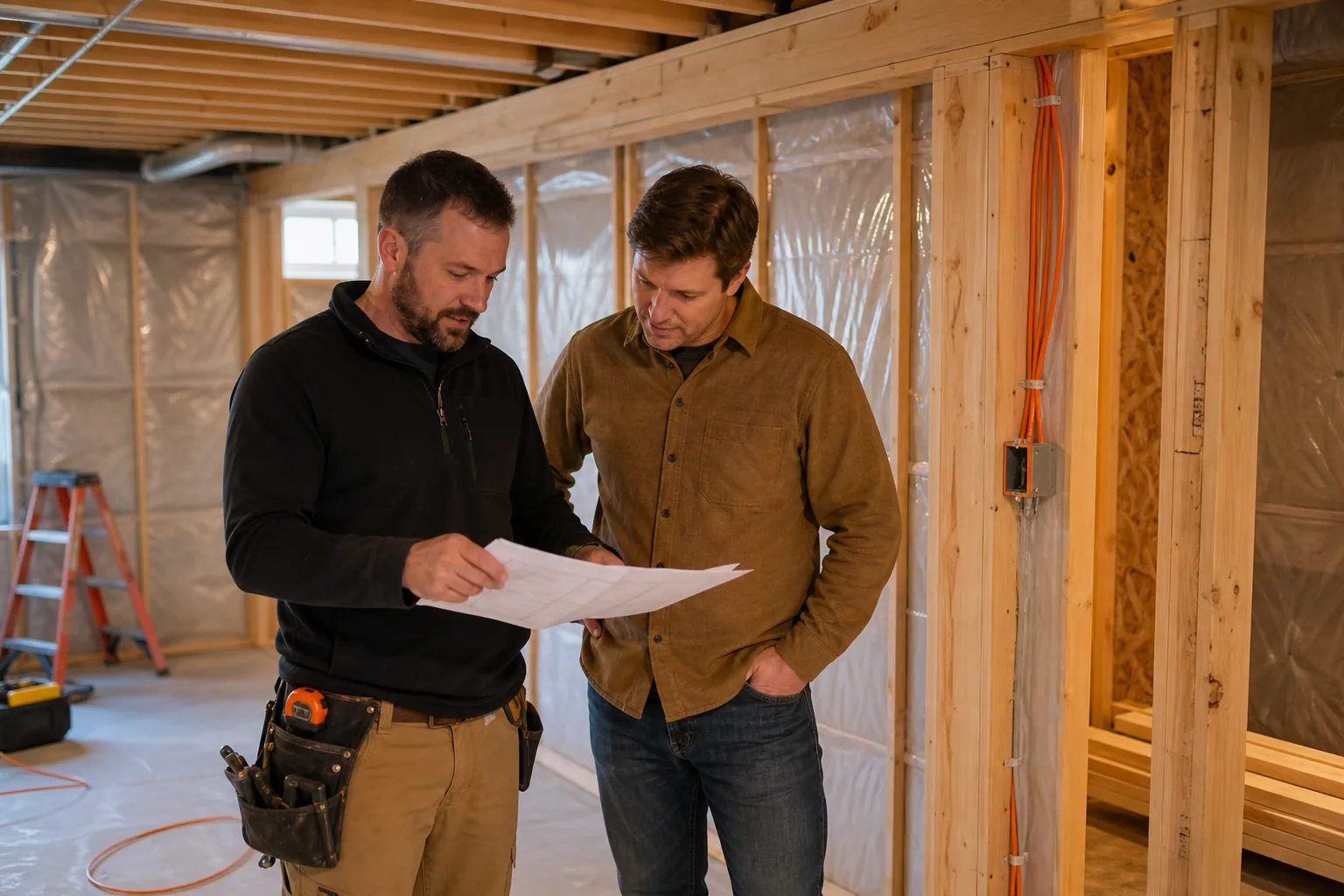
National remediation chains can help with emergency extraction. SERVPRO emphasizes its large location network, while PuroClean uses its property-damage paramedic branding. Their shared focus is emergency remediation, so plan for a separate finishing contractor when your goal is a completed basement.
FAQ: What to Do After a Flood in Your House
What should I do first after my house floods?
Keep everyone out of unsafe areas and stop the water source if you can do so safely. Stay away from standing water near electrical equipment, gas lines, or damaged floors. Once the home is safe to enter, photograph the damage before moving items or starting cleanup. Then contact your insurer and ask about emergency protection steps.
Should I turn off the electricity after a basement flood?
Turn off electricity only from a dry, safe location, and never step into water to reach the panel. If the panel or wiring may be wet, wait for a qualified electrician. A flooded furnace, appliance, or outlet also needs inspection before use. Avoid running fuel-powered equipment indoors, since exhaust can cause fatal carbon monoxide buildup.
How long does it take to dry a flooded basement?
A flooded basement may take several days or longer to dry, depending on the water depth, materials, weather, and ventilation. Visible water can disappear while drywall, insulation, framing, or concrete remains damp. Use moisture checks in more than one location. Don’t close walls or install flooring until the drying plan is complete.
Can I finish my basement after water damage?
You can finish a basement after water damage, but only after the moisture source is fixed and the space is dry. Remove contaminated or unsalvageable materials first. Then address structural concerns, permits, insulation, electrical work, and the new layout. A contractor such as LIFT Construction can coordinate the rebuild after remediation is complete.
Do I need a contractor after a flood?
You may manage a small clean-water spill yourself, but a contractor is wise when water is contaminated, widespread, hidden, or tied to structural damage. Ask for a written scope that separates remediation from reconstruction. Verify insurance requirements, permit handling, drying records, and what work remains after the emergency crew leaves.
Conclusion
Put safety and drying ahead of cosmetic repairs. Document the loss, involve your insurer, and get the building checked before rebuilding. When your Northern Utah basement is clean and dry, LIFT Construction can help turn the damaged space into a code-compliant room designed for how your household lives. Start by saving your photos and requesting a written inspection scope.