
A Utah ADU can bring in $1,800 to $2,800 a month in a high-cost market such as Park City, but build costs can top $402,000. The rent alone doesn’t tell you if the project works. You need to check your lot, estimate local rent, price the remodel, then test cash flow after every cost.
Use the five steps below to build a rental estimate that fits your home, city, and budget. We’ll also show where a basement apartment may beat a detached unit.
Step 1: Confirm Your Utah Property Can Support an ADU
Your first goal is to prove that your property can legally support the type of ADU rental income you want.
Start with your city and county planning pages. Write down your zoning district, lot size, owner-occupancy rule, parking rule, rental term, and permit path. These details can change the income model before you spend money on design.
Utah treats an internal ADU differently from a detached backyard unit. An internal ADU sits within the footprint of your home. A basement apartment is the common example. State law gives internal units a stronger path in residential areas, but cities can still set conditions.
Detached units face more local review. Your city may control setbacks, height, lot size, parking, and the size of the unit. Salt Lake City generally allows one ADU per lot in residential zones. Its detached units can typically reach 1,000 square feet, while owner residency and off-street parking rules may still apply. Read the current city standards before you sketch a plan. The definition of an accessory dwelling unit can help you sort an internal unit from a separate structure.
Then inspect the property itself. Check ceiling height in the basement. Look for a safe path to an exit window or exterior door. Find the main electrical panel, water lines, sewer route, furnace, and gas service. A low ceiling or hard utility route can change a simple finish into a costly rebuild.
Review your HOA documents before you plan a detached structure. New state rules may expand local ADU access, but private covenants can still restrict detached buildings or require design approval.
For Northern Utah homeowners, LIFT Construction can review the space with the larger remodel in mind. Our ADU construction services are designed for a separate living area, a rental plan, or future family use. That early review helps you avoid pricing a unit that your lot cannot support.
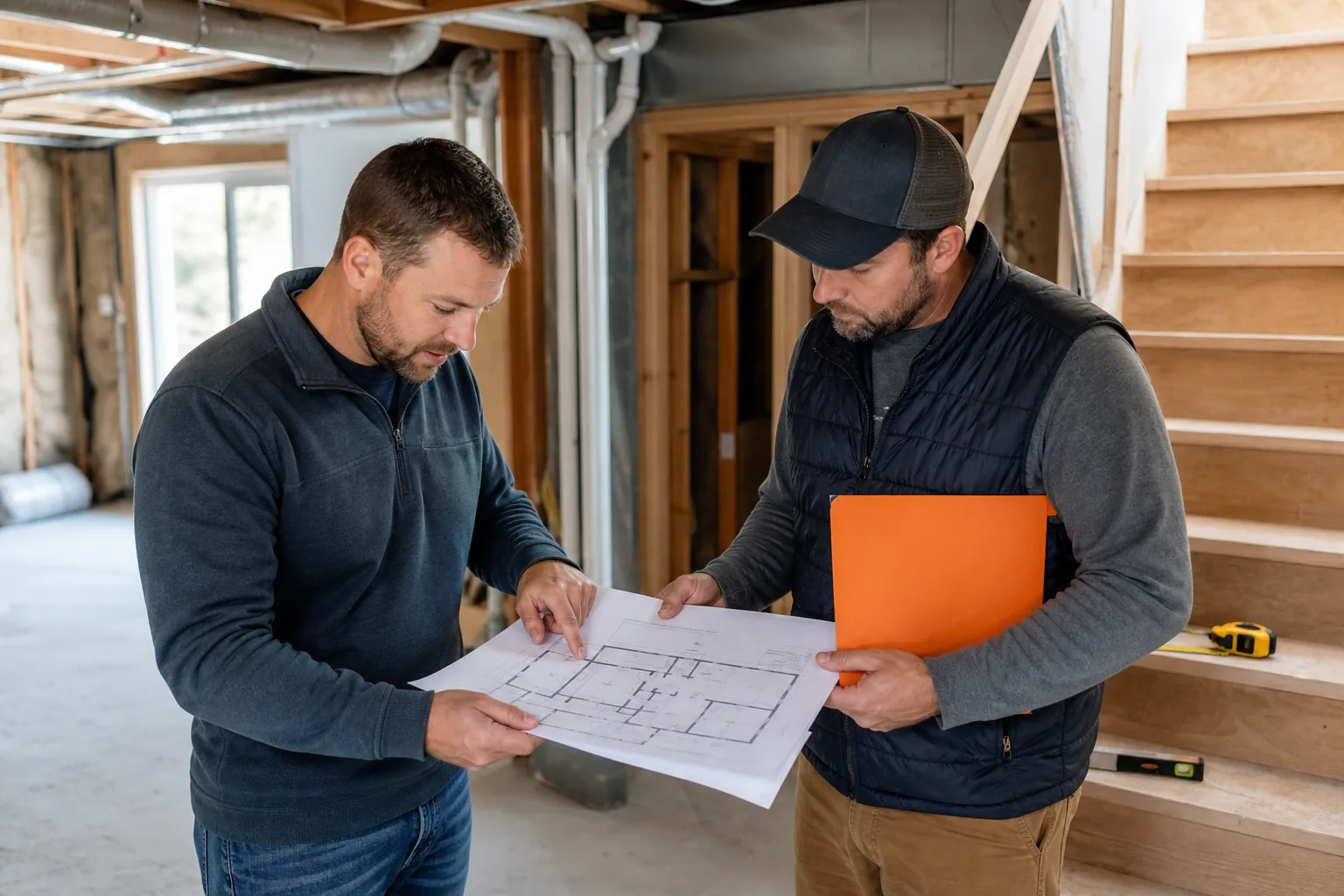
Milestone: By now, you should have a written zoning check and a short list of site limits. Do not request a full build price until those facts are clear.
Step 2: Estimate Local ADU Rent and Occupancy
Your ADU rental income estimate needs two numbers: likely monthly rent and likely occupied months.
Start with long-term rentals. In most Utah cities, the safer planning model uses a lease of 30 days or longer. Many cities restrict or prohibit nightly ADU rentals, so do not build your budget around Airbnb income unless your exact address qualifies.
Next, collect at least five nearby rental comparisons. Search for studio and one-bedroom units with a similar size. Give extra weight to private entrances, parking, laundry, natural light, and outdoor access. A basement unit with a low ceiling should not be compared with a bright detached cottage.
Location often moves rent more than square footage. Salt Lake City ADUs rent for about $1,800 to $2,200 or more each month for units up to 1,000 square feet. Park City reaches about $1,800 to $2,800, while Provo is listed at $400 to $1,200 per person in a student-focused market.
Use a vacancy reserve instead of assuming the unit stays full. A simple model might hold back one month of rent each year for turnover, repairs, or a slow lease-up. Then subtract owner-paid utilities if the unit has no separate meters.
For example, multiply monthly rent by 12 to estimate scheduled annual rent. If you reserve one month for vacancy, your working income falls before expenses. That is the number to carry into your cash-flow model.
City-by-city rent data can guide the first pass, but it cannot replace nearby comparisons. It also shows why one statewide rent number can mislead a homeowner in Salt Lake County or Utah County.
Provo illustrates the issue. Its reported rent range may look low or high depending on whether the unit is rented as one home or by the person. Ask how local listings quote rent before you compare them.
If you live near Provo, LIFT Construction also works with homeowners planning basement remodels in the area. Our Provo basement remodeling service can be part of a plan that keeps the main home functional while adding a legal living unit.
Decision rule: Use a rent range, not one optimistic figure. Your project should still make sense near the low end.
Step 3: Calculate Construction Costs and Potential Cash Flow
Now combine your rent estimate with a full project budget. This is where many ADU rental income plans become too hopeful.
Ask for a line-item estimate. It should separate design, permits, demolition, framing, insulation, plumbing, electrical work, HVAC, cabinets, flooring, fixtures, paint, site work, and cleanup. A low first quote may leave out utility upgrades or structural work.
Utah costs vary by city and project type. Orem construction can range from about $60,000 to $90,000. Provo is listed at $200,000 to $280,000. Park City can exceed $402,000. Salt Lake City data ranges from $150,000 to $400,000 or more, depending on size and scope.
That spread makes the ADU type important. A basement finish may reuse the foundation and roof. A detached unit needs its own structure, exterior shell, utility path, and site work. A garage conversion may save some framing cost, but it can trigger parking replacement or structural upgrades.
For a first cash-flow test, use this formula:
Annual effective rent minus annual operating costs minus annual debt payments equals annual cash flow.
Then calculate a simple payback period:
Total project cost divided by annual cash flow equals estimated payback years.
Imagine a basement project with monthly rent. Scheduled rent reflects a full year of occupancy, while vacancy lowers the working rent. Subtract operating costs to estimate annual cash flow before financing, then compare that result with the total project cost. The simple payback is the project cost divided by annual cash flow, before taxes and financing.
That example is only a model. It does not promise a result. A financed project can take longer because loan interest reduces the cash left from rent. A project with strong property value growth may still make sense even when rent payback is slow, but treat future resale value as uncertain.
Construction estimates should also reflect local structural needs. Northern Utah sits in a seismic design area that can require engineering and reinforced connections for new structures. Some detached projects may also require additional engineering. Confirm the actual requirement with your designer and building department.
The standard return on investment definition is useful here because it keeps the math tied to gain versus cost. Do not call a project profitable until you have included the full cost of getting it legal and ready to rent.
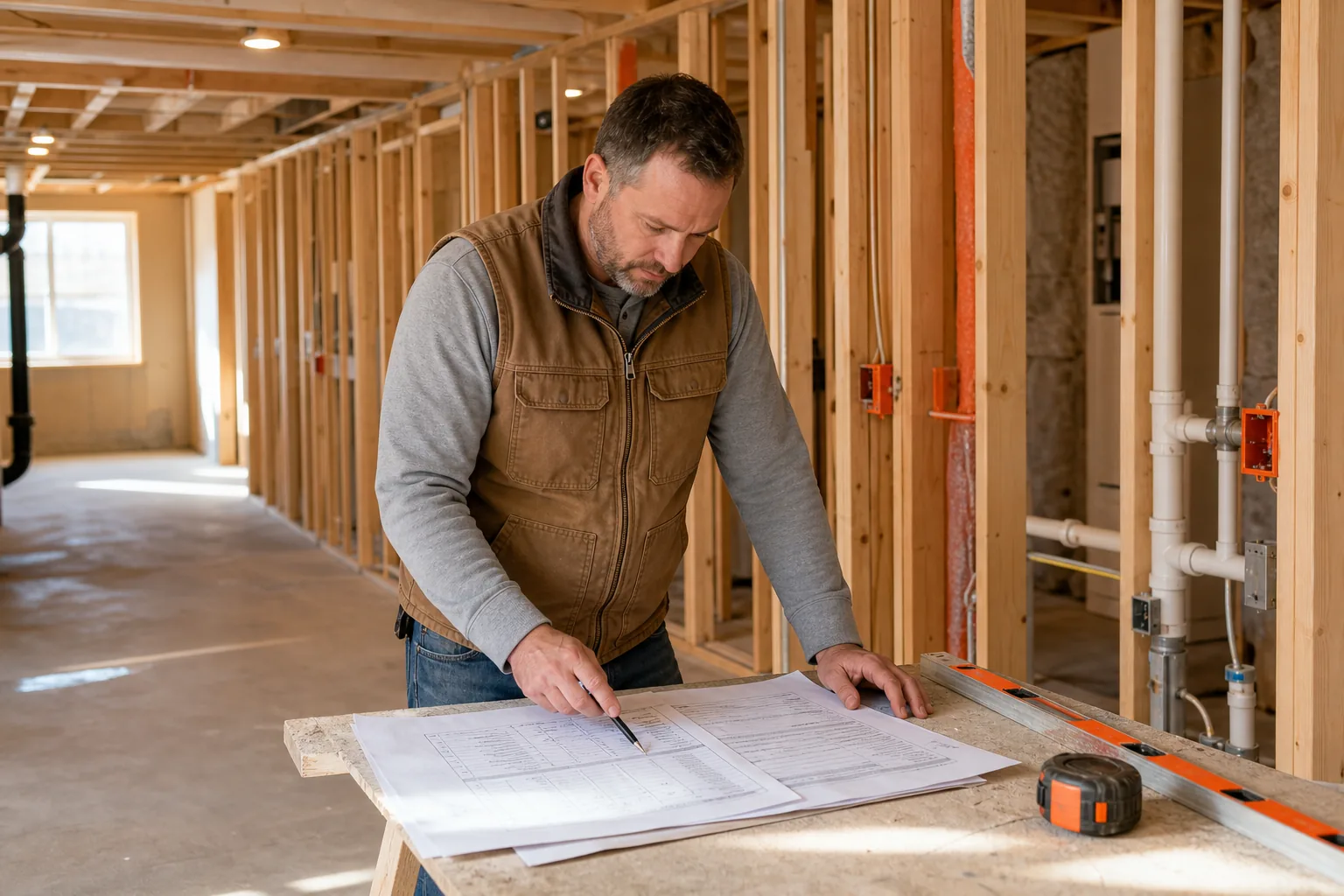
Compare at least two scopes. One might finish a compact basement with durable fixtures. The other might add a larger kitchen, premium windows, or a separate laundry room. If the higher finish increases costs but raises rent only slightly, the lower scope may produce the better return.
LIFT Construction can help turn that comparison into a build plan. We look at the space, the intended use, and the finish level before work moves ahead. The goal is a code-compliant unit designed for steady use, from start to finish.
Milestone: You should now have a low, likely, and high budget beside a low, likely, and high rent estimate. If the low case fails, revise the project before seeking financing.
Step 4: Include Permits, Financing, Taxes, and Operating Expenses
Your projected ADU rental income is incomplete until you add the costs that arrive after the framing is done.
List permit fees first. Then ask about plan review, inspections, utility connections, impact fees, business licensing, and required parking work. Internal ADUs may have different fee treatment from detached units. Never assume one city’s fee rules apply to the next city.
Timing affects financing. Permitting can take about three months in Provo and roughly 6.5 months in Salt Lake City. During that time, you may pay design costs or loan interest without receiving rent. Put the delay into your cash plan.
For financing, compare cash, a home equity line, a cash-out refinance, and a construction loan. Focus on the monthly payment rather than the approved amount. Ask how the rate can change, when payments begin, and whether the lender releases funds in stages.
Operating costs usually include repairs, property insurance, property tax changes, utilities, lawn care, pest control, turnover cleaning, and a reserve for major replacements. If you manage the unit yourself, still assign a value to your time. That keeps your comparison fair.
Tax treatment depends on your full financial situation. Keep invoices, loan records, permit documents, and rent records. A tax professional can explain how rental use affects deductions, depreciation, basis, and the sale of your home.
Do not count short-term rental income unless the city, permit, license, zoning, and HOA rules all allow it. Utah’s ADU rules often point toward long-term housing, and a listing site cannot override a local ban. A nightly-rate forecast can fail at the permit stage.
Use a spreadsheet with separate rows for fixed costs and monthly costs. Add a reserve for vacancy. Then test what happens if rent drops, the build runs over budget, or the permit takes longer than expected.
The strongest plan is usually the one that still works with ordinary long-term rent. That keeps your income target tied to a use you can legally maintain.
Step 5: Plan a Basement or ADU Remodel That Supports Reliable Rental Income
Design choices affect both tenant demand and repair risk, so plan the remodel around daily use.
Start with privacy. Give the tenant a clear entrance when the layout allows it. Place bedrooms away from shared living areas. Use sound control in ceilings and walls near the main home. These choices may matter more than a costly finish.
Make the kitchen easy to clean. Choose cabinet doors that can take daily wear. Keep plumbing runs short when possible. A compact layout can reduce cost while still giving the tenant a full cooking space.
Plan storage early. Renters need a coat closet, pantry space, and room for cleaning gear. A unit that looks good at move-in can still rent poorly if every closet is too small.
Use durable flooring in entry areas and kitchens. Select fixtures that are easy to replace. Keep shutoff valves accessible. These small choices help when a repair needs to happen between tenants.
Safety must guide the plan. Confirm egress, smoke alarms, carbon monoxide alarms, fire separation, stair details, and bathroom ventilation with the designer and building department. Code compliance is part of the rental plan, not a final add-on.
We also suggest planning the main home and ADU together. A new duct route, electrical upgrade, or laundry layout can affect both spaces. LIFT Construction handles basement finishes, additions, ADUs, and related remodeling work, so we can review those handoffs from start to finish.
Keep the finish level in line with the neighborhood. A modest unit in a working residential area may not recover luxury tile or custom millwork through rent. Spend first on light, layout, privacy, storage, and safe access.
Final check: Your plan should show the legal use, expected rent, full cost, financing payment, operating reserve, and a finish scope that matches local demand.
FAQ
How much rental income can an ADU make in Utah?
Utah ADU rental income varies by city, unit type, and lease terms. Salt Lake City rates may range from about $1,800 to $2,200 or more, while Park City rates may range from $1,800 to $2,800. Basement units may rent for less than detached units. Check nearby long-term listings before setting your estimate.
Is a basement ADU cheaper than a detached ADU?
A basement ADU is often cheaper because it can reuse the home’s foundation, roof, and some utility routes. The actual cost still depends on ceiling height, exits, plumbing, fire separation, and the needed finish work. Get a site review before assuming your basement is ready for conversion.
Can I rent my Utah ADU on Airbnb?
Usually, you should plan on a long-term tenant instead of nightly ADU rental income. Many Utah cities restrict short stays in residential zones, and local rules can apply to the ADU type, license, and exact parcel. Confirm the city ordinance and HOA rules before using short-term rent in your forecast.
How long does it take to permit an ADU in Utah?
Permitting time depends on the city and project type. It may take about three months in Provo and about 6.5 months in Salt Lake City. Detached units may need more review than internal basement units. Include the delay in your financing plan because rent usually starts after approval and construction.
What costs should I include in an ADU cash-flow estimate?
Include design, permits, inspections, construction, utility work, financing, insurance, taxes, repairs, vacancy, and owner-paid utilities. Add a reserve for major replacements. A rent figure that ignores these costs may look strong but fail to cover the monthly payment.
Conclusion
Build your estimate around legal long-term rent and the full cost of the project. For many Northern Utah homeowners, a well-planned basement ADU is the first option to test because it may reuse space you already own. Start with a property review and written scope from LIFT Construction, then compare the low-case cash flow before you commit.