
The average cost of bathroom remodel work can land near $15,000, but that number hides a wide spread. A small cosmetic update may cost a few thousand dollars, while a full luxury renovation can pass $75,000. Utah homeowners should set a budget from the room’s size, scope, finish level, and hidden work. Here’s how to build that budget before you request bids.
Step 1: Define Your Bathroom Remodel Scope and Size
The first step in estimating the average cost of bathroom remodel work is to define exactly what will change. A fresh coat of paint and new fixtures are a very different job from removing the room down to the studs.
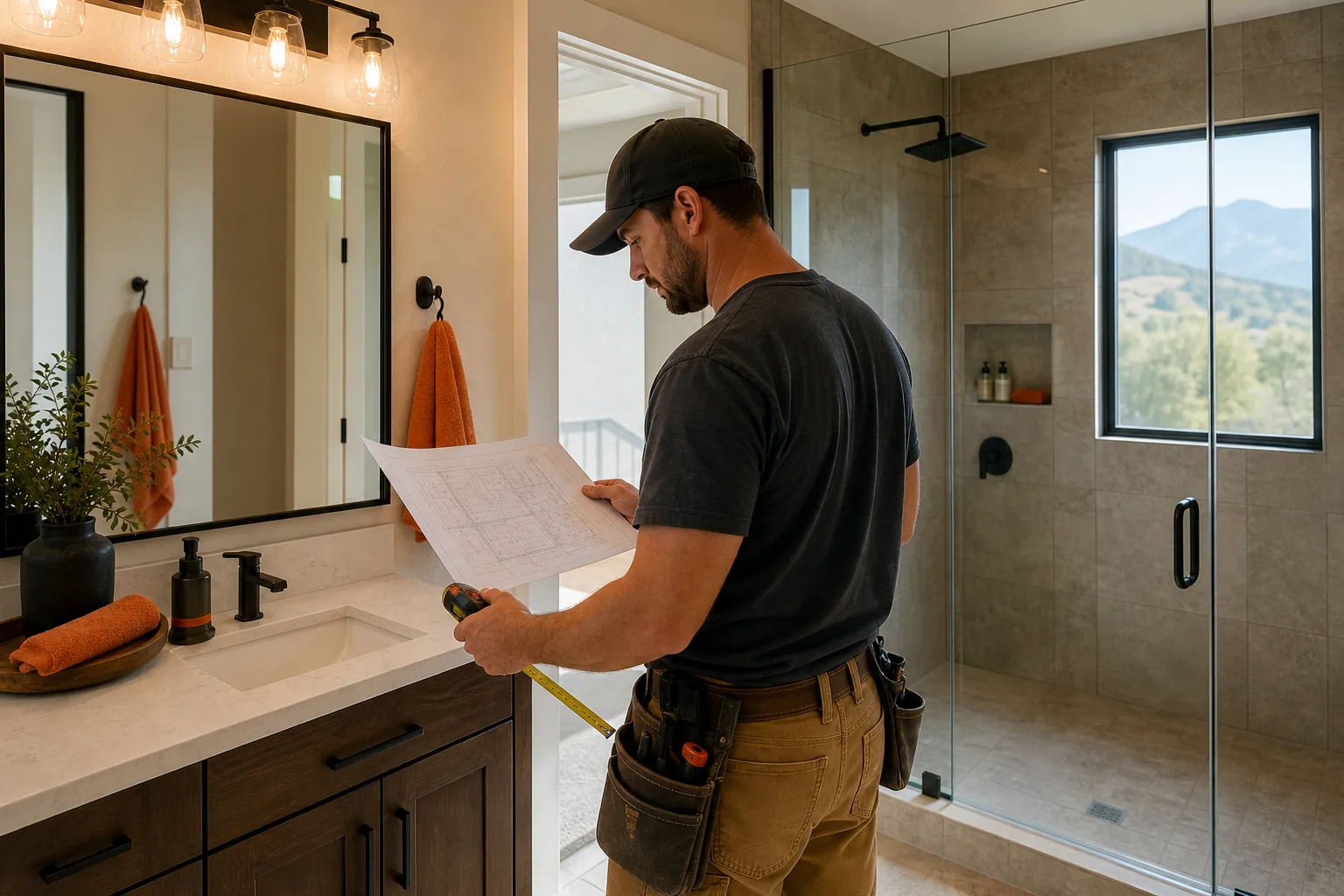
Start by measuring the finished floor area. Write down the room’s length and width, then note the ceiling height. List each major item in the room and mark it as keep, replace, repair, or move.
- Vanity and sink
- Toilet
- Tub or shower
- Floor and wall tile
- Lighting and exhaust fan
- Water lines and drain locations
Size gives you a starting point, but it doesn’t set the final price. A 40-square-foot bathroom may cost about $12,000 in one estimate, while a 100-square-foot bathroom may reach $28,000. The smaller room can still cost a lot if it needs new plumbing or custom tile work.
National data also shows why simple averages can mislead. Small bathrooms in one set of estimates range from $5,390 to $8,385, while full remodel figures can run from $8,000 to more than $35,000. These figures are baselines, not promises for a home in Salt Lake County, Davis County, or Weber County.
Next, decide if you want a cosmetic refresh, a partial remodel, or a full remodel. A cosmetic refresh may keep the layout and most wall surfaces. A partial remodel may replace the shower, vanity, and fixtures. A full remodel can include demolition, new tile, new flooring, updated wiring, fresh plumbing, and a layout change.
Moving a toilet or shower usually costs more than replacing one in the same spot. New locations may require longer supply lines, drain changes, floor repairs, or wall access. Keep the current layout if the room works well. Spend the saved money on waterproofing and materials you will touch every day.
Utah homes also need a closer look behind the finish. Older rooms may have weak subfloors, worn shutoff valves, poor venting, or past moisture damage. A bathroom remodel guide from a Utah plumbing and remodeling resource also points to local differences in labor, permits, hard water, and ventilation.
For a small room, storage can affect the plan as much as square footage. A shallow vanity, recessed shelf, or better medicine cabinet may improve daily use without changing the room’s footprint. Our small bathroom remodel ideas can help you compare layout and storage choices before you lock in materials.
By now you should have a measured room, a written scope, and a clear list of items that will move. That list gives every contractor the same starting point.
Step 2: Choose a Remodel Finish Level and Set a Baseline
The average cost of bathroom remodel work changes fast when you move from basic finishes to custom ones. Choose a finish level before you shop. Otherwise, a few small upgrades can push the budget far past your first estimate.
A basic refresh keeps the room’s layout and limits demolition. It may include paint, new hardware, a replacement faucet, a new mirror, and a reglazed tub. One national estimate puts low-end remodels between $5,000 and $12,000, though local labor and the room’s condition can shift that range.
A mid-range remodel usually includes better tile, a new vanity, updated lighting, a new shower or tub surround, and some plumbing or electrical work. Research ranges place this level between $12,000 and $30,000. A separate estimate for a mid-range full-gut remodel sits between $22,000 and $48,000 because the work reaches behind the walls.
High-end work may include a custom vanity, premium stone, a larger shower, multiple shower controls, heated flooring, specialty lighting, or a wet-room design. High-end estimates run from $30,000 to $75,000 or more. Custom details add both material cost and labor time.
Per-square-foot figures can help you compare concepts, but don’t treat them as a quote. Available estimates range from about $80 to $400 per square foot. The low end may describe a limited refresh. The high end may reflect a large room with premium materials and major changes.
One data review found only three sources with per-square-foot figures. Those figures averaged $220, with a median of $280. That small sample shows the problem: square footage alone can’t explain the price of plumbing, electrical work, waterproofing, demolition, or custom labor.
Use a simple baseline instead. For a standard room, start with a middle finish level. Then add or remove items one at a time. This keeps the decision clear.
- Keep the layout: usually limits plumbing changes.
- Replace the shower: adds demolition, waterproofing, tile, and trim.
- Add custom storage: raises cabinet and labor costs.
- Choose premium tile: affects both material price and install time.
- Add heated flooring: may require electrical planning and floor preparation.
For example, a 40-square-foot hall bath with a new vanity and standard tile may fit a mid-range plan. The same room with a moved drain, custom shower bench, large-format stone, and heated floor belongs in a higher budget.
Before selecting fixtures, check the room’s ventilation and electrical needs. Bathroom lighting and exhaust work fall under safety rules. A building code is a set of rules for safe construction; review building code guidance. Your contractor should confirm which local requirements apply to your project.
We help Northern Utah homeowners compare finish choices against the whole budget. LIFT Construction can review the scope, explain where the allowance sits, and keep the selections designed for daily use rather than a showroom photo.
By now you should have a finish level and a starting range. Don’t choose tile or fixtures until that baseline feels realistic.
Step 3: Break Down Labor, Materials, and Hidden Costs
To understand the average cost of bathroom remodel work, split the budget into visible materials, labor, and unknown conditions. A single lump sum makes it hard to see what changed when a quote rises.
Start with the main work buckets:
- Demolition and disposal
- Framing and subfloor repair
- Plumbing rough-in and finish work
- Electrical work and lighting
- Waterproofing and tile installation
- Vanity, countertop, mirror, and hardware
- Painting, trim, and final cleanup
- Permits and inspection work
Labor can become the largest part of a bathroom remodel because several trades work in a small space. The plumber may need access before the electrician. The electrician may need walls open. Tile work waits until waterproofing passes inspection. A delay in one trade can affect the rest of the schedule.
Material allowances need the same care. A quote may include a vanity allowance, but not the exact model you later choose. It may include tile installation, but not the tile itself. Ask which items are included and which ones you must buy directly.
Hidden costs often begin with demolition. Once the old shower comes out, the crew may find damaged framing or a soft subfloor. Old homes can also have supply lines that need replacement, drains that do not match the new fixture, or wiring that needs correction before new lights go in.
Moisture control deserves its own line. Waterproofing sits behind tile, so you can’t judge it by looking at the finished wall. A shower can look perfect and still fail if the pan, corners, seams, or wall transitions were handled poorly.
Ask each bidder how the quote treats unknown conditions. Some contractors include a fixed allowance. Others use a written change order after they inspect the problem. Neither approach removes risk, but clear terms keep a surprise from becoming an argument.
Set aside a contingency reserve before you upgrade finishes. A 15% to 20% reserve is a common planning recommendation. Keep that money untouched until demolition or inspection shows a real need. In project management, a contingency is money held for uncertain work, not spare money for a nicer faucet.
Here’s a useful test for every change: does it fix the house, improve daily function, or add a look you simply prefer? Fixes come first. Function usually comes next. Decorative upgrades can wait if the reserve is getting thin.
We also recommend listing decisions that can delay the job. Tile patterns, shower trim, vanity dimensions, and light locations must be settled before the related work begins. If a selected item has a long lead time, choose a backup before demolition starts.
Imagine a bid that looks lower because it leaves out disposal, permits, or shower waterproofing. It may seem like a deal until those lines appear as extras. A higher bid can be the better value if it explains the full work and gives you a clear path for changes.
LIFT Construction offers customized, transparent estimates for Utah homeowners.
By now you should have a budget sheet with separate lines for labor, materials, permits, allowances, and contingency. That sheet makes competing estimates much easier to compare.
Step 4: Get Accurate Utah Estimates and Finalize Your Budget
A reliable bathroom remodel estimate comes from a site review, not a national average alone. The figures above can set expectations, but Utah labor, access, permits, material delivery, and existing conditions will shape your final number.
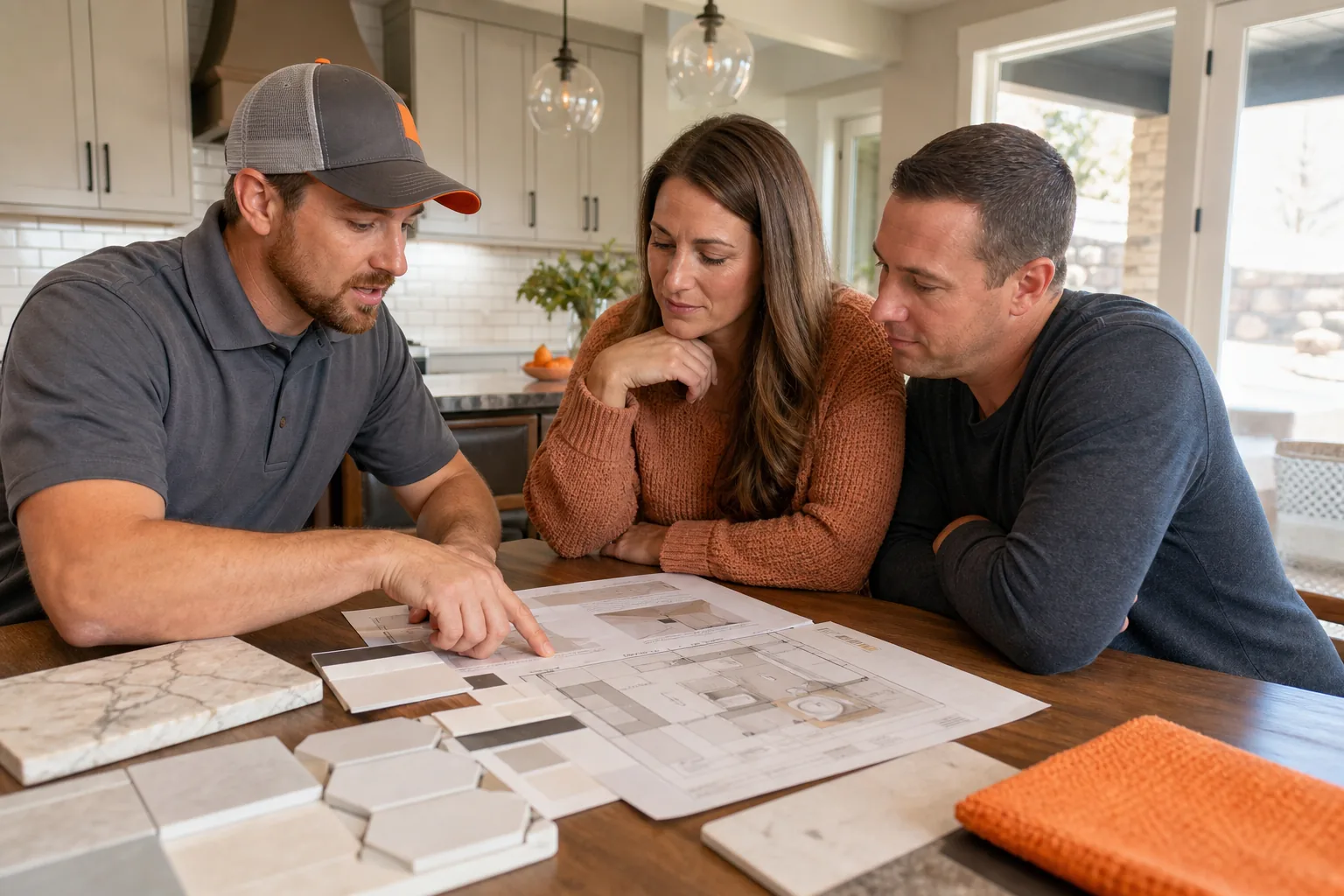
Prepare a short bid packet before you meet contractors. Include room measurements, photos of each wall, your wish list, and the items you want to keep. Mark any known leak, stain, soft floor, or plumbing issue. Tell the contractor if this is a hall bath, primary bath, powder room, or basement bathroom.
Ask for estimates that use the same scope. Each bid should state the demolition plan, layout changes, plumbing work, electrical work, tile work, fixtures, finish materials, permits, cleanup, and warranty terms. If one bid skips a category, you can’t make a fair comparison.
Regional figures are limited, so Utah homeowners should treat national ranges as a starting point. One supplied national range places bathroom remodeling costs between $15,000 and $25,000. Local labor, access, materials, and existing conditions can move a project outside that range.
Local conditions still matter. A home in downtown Salt Lake City may face different labor and access costs than a home in a smaller community. A project in Layton may need a different delivery plan from one in Ogden. Our Bathroom Remodeling in Layton and Davis County page shows why room type and finish level need local context.
When you review a quote, look for these warning signs:
- The scope uses broad words such as “standard materials” without an allowance.
- There is no process for hidden damage or change orders.
- Plumbing and electrical work are shown as one vague line.
- The quote has no schedule or payment milestones.
- Permits and disposal are missing.
Then set your maximum budget. Keep the contingency inside that maximum, rather than treating it as extra spending room. If the project exceeds your limit, reduce scope before reducing waterproofing, ventilation, or needed repairs.
We suggest requesting at least two detailed estimates when the project is large or the layout will change. Compare the work plan first. Price comes after scope, because a cheap bid with missing work is not a cheap project.
For homeowners planning a larger renovation, a bathroom may be part of a basement finish or a whole-home project. LIFT Construction handles remodeling work across Northern Utah, so we can help you decide if the bathroom should stand alone or fit into a wider plan.
By now you should have a site-specific range, a written scope, and a maximum budget that includes a reserve. That is enough information to choose a contractor with confidence.
FAQ
What is the average cost of bathroom remodel work?
The average cost of bathroom remodel work varies by project, but project ranges are much wider. A low-end remodel may cost $5,000 to $12,000. Mid-range work may reach $12,000 to $30,000, while a full-gut or luxury project can cost far more.
How much does a small bathroom remodel cost?
A small bathroom remodel may cost roughly $5,390 to $8,385 in one set of estimates, with broader estimates reaching $15,000. The final price depends on demolition, tile, fixtures, plumbing access, and finish quality. A small room can still cost more when the layout changes or hidden moisture damage needs repair.
Is it cheaper to remodel a bathroom without moving plumbing?
Yes, keeping plumbing in place is usually cheaper than moving it because the crew may avoid new drain lines, supply lines, floor cuts, and wall repairs. The savings depend on the existing condition. If old pipes or a failing drain need work, keeping the same layout won’t remove that repair cost.
How much should I budget for a bathroom remodel in Utah?
Utah homeowners should use national figures as a starting point, then get a local site-specific estimate. A standard remodel may fall near the middle of the national ranges, while a full-gut project or luxury primary bath can run much higher. Labor, access, permits, materials, and hidden conditions will set the final number.
How much contingency should I keep for a bathroom remodel?
Keep about 15% to 20% of the planned project cost as a contingency reserve. Use it for hidden damage, code corrections, or needed plumbing and electrical repairs. Don’t spend it on finish upgrades before demolition. If the reserve remains untouched, you can decide how to use it after final inspection.
Conclusion
Build your bathroom budget from scope first, then size, finish level, labor, and hidden conditions. For a Northern Utah project, the smartest next step is a site review with a detailed written estimate. LIFT Construction can help you compare choices, set a clear budget, and plan the work from start to finish.