
Basement air can travel upstairs with musty smells, dust, moisture, and other irritants. The right basement air circulation solutions start with the source of the problem, not with a fan alone. We’ll show you how to check moisture, plan air paths, choose ventilation, and test a safe cooling approach in your Utah home.
Step 1: Check Moisture, Air Leaks, and Radon Risks First
Good basement air circulation starts with a dry, sealed room. If water keeps entering, moving air only spreads the problem through the house.
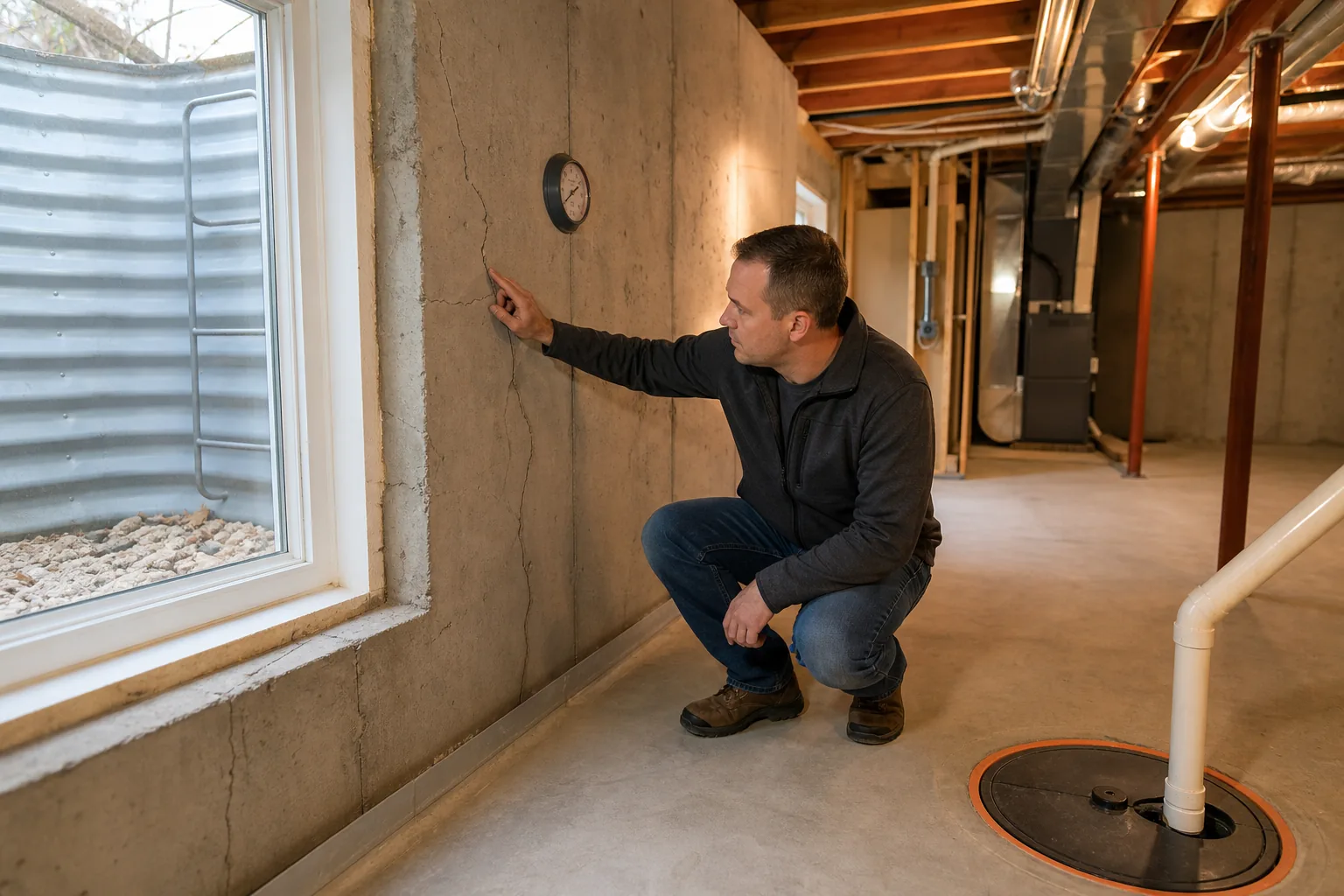
Walk the space after rain and look for damp spots at the floor edge, wall cracks, window wells, and around plumbing. Check for condensation on cold pipes or ductwork. A musty smell also deserves attention, even when no mold is visible.
Outside, inspect the grade beside the foundation. Soil should slope away from the wall. Gutters need to move roof water away from the house, and downspouts should not release water beside the foundation. A drainage opening should have a secure cover because an open opening can pull damp air into the basement.
Basement moisture guidance explains that water can enter through leaks, vapor movement, capillary suction, and condensation. That gives you a useful inspection order: fix bulk water first, then deal with vapor and indoor humidity.
Take humidity readings in more than one spot. Check near the stairs and at the far end of the basement. A dehumidifier can remove water from the air, but it cannot fix a leaking wall or failed drain.
Radon deserves separate attention. Do not assume an exhaust fan solves it. The research used for this guide separates the two main fan types by purpose: exhaust is tied to dampness and fumes, while supply is tied to radon mitigation. That split is useful, but it does not replace a radon evaluation or a code-compliant mitigation plan.
Before finishing walls, seal known cracks and solve drainage issues. LIFT Construction can help Northern Utah homeowners plan basement work around moisture repairs, insulation, and finish materials instead of covering a problem that will return.
For a room with active mold or major water damage, stop the remodel and get the source assessed. You can also review these signs of water damage in a basement before deciding what work comes next.
By now, you should have a dry-space plan, a humidity reading, and a clear answer about whether radon evaluation is needed.
Step 2: Plan Supply Vents, Low-Wall Returns, and Natural Airflow
Basement air circulation solutions work best when supply air enters one part of the room and stale air leaves through a well-placed return.
Start with a simple room map. Mark the stairs, furnace, mechanical equipment, exterior walls, doors, and planned living areas. Then mark every existing supply register and return grille. This sketch will show dead zones before you open a ceiling.
Supply vents push conditioned air into the room. Returns pull room air back toward the HVAC system. In many basements, a ceiling return pulls warm air from the top of the room while leaving cool, damp air near the floor. A low-wall return can collect that lower air and send it back through the system.
Keep returns clear of furniture, storage bins, and finished trim. Place them where air can move across the room first. A supply beside a return can short-circuit the airflow, meaning the system pulls in fresh supply air before it reaches the space.
Natural airflow can help in a walkout basement with usable windows and doors. But opening a window on a warm, humid Utah day may add moisture to cool concrete and floors. The stack effect also changes the pressure in the home. Warm air rises, and that upward movement can draw basement air into the floors above.
Think of the basement as part of the home’s air path, not a sealed box under it. Air can move through stair openings, duct gaps, plumbing holes, and framing cavities. Sealing those leaks helps you control where replacement air comes from.
For a finished basement, ask an HVAC professional to review duct size and return capacity before adding a grille. A return that is too small may create noise or limit airflow. A new register also needs to fit the system’s design and local code requirements.
We plan basement layouts with comfort in mind before walls and ceilings close. If your project also needs a new room layout, flooring, or trim, our basement finishing services in Davis County can tie the air plan to the full remodel.
Use natural airflow only when outdoor conditions support it. In a tight, below-grade basement, mechanical ventilation gives you more control.
By now, you should know where air enters, where it leaves, and which corners need better movement.
Step 3: Choose and Connect the Right Mechanical Ventilation
Mechanical ventilation gives basement air circulation solutions a steady air path when windows cannot do the job.
Choose the system by the problem you need to solve. An exhaust fan pulls air from the basement and sends it outdoors. That approach fits damp air and fumes, but replacement air must come from somewhere. If the basement pulls replacement air through foundation cracks, the fan may draw in moisture from the soil.
A supply fan pushes outdoor air into the basement. The research source links this approach with radon mitigation, which is a useful reminder that fan direction matters. Radon mitigation should follow a design from a qualified professional. Do not improvise a fan setup around a gas appliance.
A coordinated airflow approach brings air in while sending stale air out. Some systems transfer heat and moisture between the two air streams. That can make outdoor air easier to manage, but the unit still needs the right duct route, controls, and service access.
The missing fields include airflow in CFM, energy use, installation difficulty, cost, and system limits. Ask an installer to supply those numbers for your square footage and planned occupancy.
- Confirm the fan’s airflow at the pressure created by your ductwork.
- Check where intake and exhaust openings will sit outside.
- Keep combustion appliances from receiving backdraft through pressure changes.
- Add a timer, occupancy sensor, or other control only when it fits the system.
- Leave access for routine maintenance and future repairs.
Do not connect a new fan to central HVAC ducts without checking the duct design. A wrong connection can push basement air into the wrong room or reduce the system’s balance. It may also spread odors instead of removing them.
Place the intake away from dryer exhausts, vehicle areas, and other pollution sources. Place the exhaust where it cannot re-enter through a window or outdoor-air intake. Keep penetrations sealed after installation.
LIFT Construction can coordinate the remodeling side of this work in Northern Utah. We help plan soffits, access panels, ceilings, and wall finishes around HVAC routes, so the final room is designed for service as well as daily use.
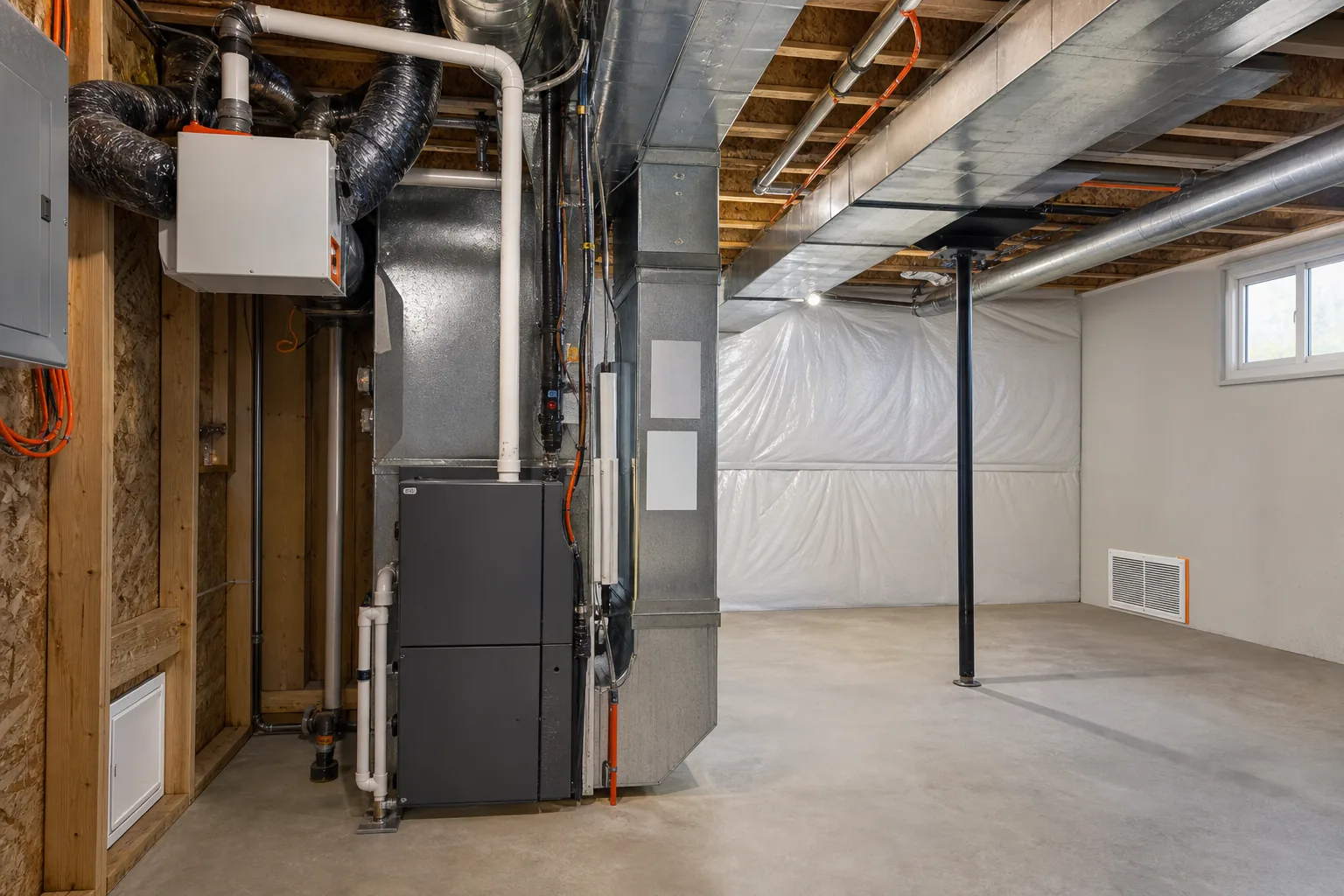
The right choice depends on the measured problem. Exhaust fits dampness and fumes. Supply may fit a radon plan. A managed airflow approach fits a tighter finished space that needs managed airflow.
Step 4: Test a Safe Airflow Approach and Compare Budget Options
You can test cool basement air before committing to a large change, but the setup must protect your HVAC system and your family.
First, compare the basement temperature with the upstairs room you want to cool. Then inspect the existing ductwork. An unused or accessible duct may provide a path, but do not disconnect a working supply or return without professional review.
A suitable airflow approach can move basement air through a suitable duct to an upstairs room. Use a proper transition between duct sizes. Secure every joint with clamps or approved tape. Protect the intake from pets, children, dust, and stored items.
Never remove the system’s filter to increase airflow. Unfiltered air can carry dust into the equipment and through the home. Keep the original heating and cooling path available for times when the airflow approach cannot meet the room’s needs.
Test the airflow approach for a short period. Check the upstairs temperature, basement humidity, noise, and airflow at the target register. Stop if you notice condensation, backdraft, unusual furnace behavior, or a sharp rise in humidity.
| Option | Best use | What to check | Main caution |
|---|---|---|---|
| Portable dehumidifier | Indoor moisture control | Low-temperature performance, drain path, humidity level | It removes water but does not exchange stale air |
| Exhaust fan | Damp air and fumes | Outdoor discharge, replacement air, backdraft risk | It may pull moisture through leaks |
| Supply fan | A planned radon strategy | Test results, pressure balance, professional design | It should not replace a measured mitigation plan |
| Ventilation option | Damp air and fumes or radon mitigation | ||
| Airflow approach | Short-term room cooling test | Duct condition, noise, safe intake, timer | It is not a moisture or radon treatment by itself |
Get written equipment and installation details before you compare bids.
For larger basement changes, include air circulation in the remodel scope instead of adding it after drywall. We can help homeowners plan the duct paths, ceiling access, and finish work from start to finish. If water has already affected the space, review the steps to prevent mold after water damage before closing the walls.
Choose the smallest setup that solves the measured problem, then watch humidity and comfort for several weeks.
FAQ
What is the best way to circulate air in a basement?
The best method combines moisture control with a planned supply and return path. Start by fixing leaks and using a basement-rated dehumidifier when needed. Then review air-path placement and mechanical ventilation. The right basement air circulation solutions depend on whether your main issue is dampness, fumes, radon, stale air, or uneven temperature.
Should a basement have a properly planned air path?
Yes, a basement often benefits from a properly planned air path. An HVAC professional should check the duct size and system balance before installation, especially in a finished room.
Does a basement exhaust fan help with humidity?
A basement exhaust fan can help remove damp air, but it may not solve the moisture source. The fan also needs replacement air, which can enter through foundation cracks or other leaks. Fix drainage first, then compare exhaust ventilation with dehumidification. Track humidity after the change so you know whether the fan is helping.
How do I use cool basement air upstairs?
You can test cool basement air upstairs with an approved duct path and a suitable airflow method, but the setup must protect the HVAC system. Protect the HVAC system during the test. Secure duct joints, guard the intake, and use a timer. Stop if humidity rises, condensation appears, or the system develops pressure or noise problems.
Can ventilation remove radon from a basement?
Ventilation may be part of a radon plan, but you should begin with an appropriate assessment and follow a qualified design. The research used here links supply ventilation with radon mitigation, while exhaust is linked with dampness and fumes. Because fan direction affects pressure, an improvised setup may move soil gas into the home rather than solve it.
Conclusion
Start with moisture and radon checks before adding fans. Then have the supply, return, and duct paths reviewed as part of your basement plan. For Utah homeowners preparing to finish a basement, LIFT Construction can help coordinate the air, moisture, and remodeling work so the room is comfortable from start to finish.